

Introduction
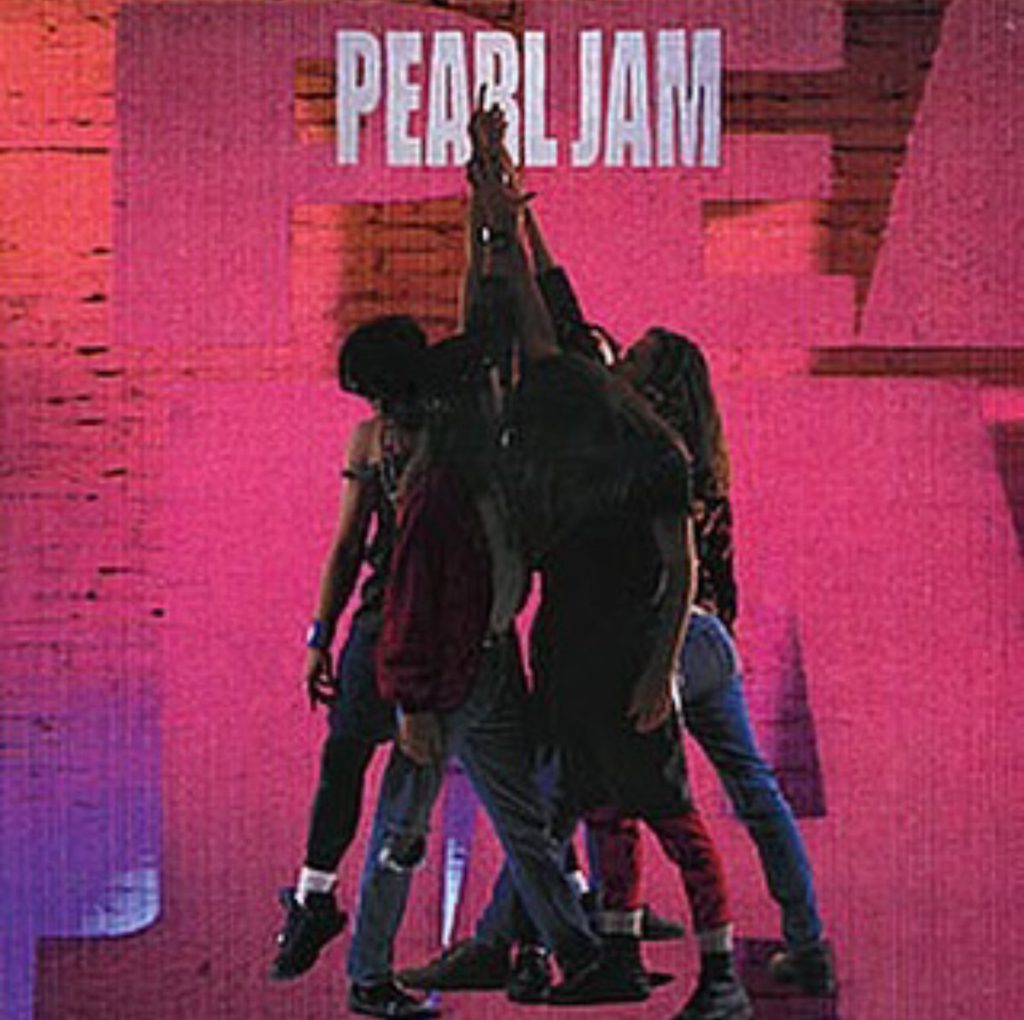
One of the most influential grunge, alternative rock album of all time was released on August 27, 1991. No, this is not a Nirvana review, although Nevermind was released the same year. Ten was the debut album of the Seattle rock band, Pearl Jam. The album was conceived through a search of a lead singer from the remaining members of the band, Mother Love Bone.
Since its release in 1991, Ten has gone thirteen times platinum. While no immense commercial success began immediately, by late 1992, the album was number two on the Billboard 200. The initial instrumentation, led by Stone Gossard and Jeff Ament, blossomed into a collection of eleven of the most influential songs in the genre, leading to the birth of Ten.
Start of Pearl Jam
During the 1980s, guitarist, Stone Gossard, and bassist, Jeff Ament, were in a band called Mother Love Bone, alongside vocalist, Andrew Wood. Unfortunately, Wood passed away in 1990 to a drug overdose, leading to dissolution of the band. For months, Ament and Gossard did not perform together, until they teamed up with Mike McCready. They recorded a set of demo tapes with Matt Cameron, drummer of Soundgarden, in hopes of finding a lead singer.
These tapes found San Diego vocalist and avid surfer, Eddie Vedder, thanks to former Red Hot Chili Pepper’s drummer, Jack Irons. Upon listening to these tapes, Vedder went out to surf and returned to write lyrics for these instrumentals. The band was impressed with Vedder’s renditions and flew him out to Seattle. Vedder was hired, and the band signed to Epic Records under the name, Mookie Blaylock.
Eleven Songs To Ten
The band went to London in 1991 to begin recording their demos. Alongside producer Rick Parashar, it only took one month for the songs to be finalized, as many of them were already written. It was shortly after that that drummer, Dave Krusen, left the band. He cited that he could not get over his own addictions and thanked the band for the experience.
In June of that year, Tim Palmer joined the band to begin the mixing of the album. Once said and done, the band believed the album was overmixed and expressed dissatisfaction with it. The disappointment was not delved into until the early 2000s, where Ament and Gossard detailed the “overmixing” they believe killed the purpose of the album.
Personal Anecdotes & Struggles
Ten features some personal stories from frontman, Eddie Vedder, while meshing some fiction alongside. The album also details a plethora of mental and personal struggles throughout. While the instrumentation does a great job, I felt the stories of each song were most important to emphasize. A very personal album for the entire band, and it all starts on the first track, “Once.”
“Once” & “Alive”
These songs detail a personal story to Vedder. Both tracks talk about Vedder finding out that the father he grew up with was actually his stepfather. His mother eventually told him, and it led to heaps of confusions and anger. The anger is amplified by Vedder’s screaming vocals, paired with the high intensity of the instrumentations.
“Once” serves as a “sequel” for the latter. The track furthers the story by stating that the main character has gone crazy. The realization of his true father led him to kill a prostitute, admitting it in the opening of the song. While this is fictional, it certainly emphasizes the seriousness of the situation and the effect on his mental wellbeing.
“Alive” builds on the concept of the mother’s sexual attraction to her son. Another fictional aspect of this story, the attraction is built on the basis of his resemblance to his late father. In the bridge of the track, the speaker is asking, “Do I deserve to be / Is that the question? / And if so, if so who answers.” He doesn’t know if he deserves to live, building to the climax in the finale of the song: Vedder screaming and crying as this is his only means to express the pain.
“Even Flow”
“Even Flow,” while not nearly as pivotal of an anecdote as the prior, does build character to the album. The track talks about the observations of homelessness, seemingly in Seattle. The track was actually constructed based on a personal connection Vedder built with a homeless veteran in the city.
The homeless man seems to be rejected by society day in, day out. Although social norms keep knocking the man down, he continues to persevere. By the second verse, the man’s determination begins to dwindle, as winter looms and his prayers remain unanswered. “Even Flow” paints a picture-perfect representation of the thoughts of the less fortunate.
“Why Go”
The fourth track talks about a woman being sent to a mental institution against her best wishes. The first verse talks about her lack of desire of being sent there, as well as how she wishes this on no one further. The chorus features the line “Why go home” insinuating that the girl has no desire to return home to her mother, of whom sent her to the hospital in the first place.
This track builds on the negatives of societal norms, as the girl believes her illness is due to the lack of desire to fit these norms. During the chorus, the instrumental cuts out entirely, emphasizing her pleads to not return home. When the sounds return, the band plays extremely upbeat, signifying the importance of the topic at hand.
“Black”
One of Pearl Jam’s most important and popular tracks, “Black” talks about a loving relationship that took a turn for the worst. Vedder describes the relationship as an “empty canvas” waiting to be painted. And by the end of the second verse, he is enraged by others’ happiness, consistently reminding himself of their relationship.
The title references the black tattoos that are now permanently disfiguring his memories of his former loved one. While these tattoos now cover his thoughts of her, in the bridge, he does believe that love will find her, as she continues towards happiness. However, by the end of the song, pained vocalizations crying out are heard, partnered with a somber piano performance, wishing that her happiness was with him.
It is now that I would love to dissect Vedder’s vocals throughout Ten. He makes his intentions clear on each track, as all eleven performances invoke specific emotions. Like “Black” and “Once,” Vedder is clearly in a manic state, pleading with the listener for help. “Release” shows him again pleading to be released from his pain. It is these performances that elevate the track list to the next level, cementing Ten as one of the most personal, heartfelt albums of the genre.
“Jeremy”
The first half of the song talks about Jeremy Wade Delle. Jeremy was a 15 year old high school student who, on January 8th, 1991, sadly ended his life in front of his classmates. The song was written to create a reaction and give an action to the story. Vedder talks about the lack of attention from his parent, exclusions from his peers, and the consistent ridiculing he was victim of.
The second verse talks about a kid named, Brian. This was a boy who Vedder went to high school with, who eventually shot up a classroom at the school. Again, it is cited that bullying and exclusion led him to make that rash decision. Giving Vedder the creditability to write this song, he further delves into mental illness and societal norms leading to the derailment of his own communities.
Conclusion
Well, this album was certainly a wonderful change of pace to review. I had listened to the album prior to the review, but the delving into the lyrics and purpose gave it a new meaning. Pearl Jam’s debut cemented themselves into stardom, leading to an opening slot on the Red-Hot Chili Pepper’s tour, alongside Nirvana and The Smashing Pumpkins.
There is no “strongest track” here, as they all serve their intended purpose to the highest degree. If you plan on listening to the album after this review, I will highly recommend you do so reading into each song. This album is a lot more than the ears can account for, and it would be a disservice to the project listening without the lyrics in front of you.
Vedder’s personal anecdotes lead to the credibility needed to convey the meanings of each track. Societal norms do lead to mental illness, and Ten was ahead of its time in this regard. These topics should continue to be talked about in contemporary art, and I hope this album lights that fuel in all of you readers to continue to push for the best of yourself and others on a day-to-day basis.
Rating: Essential Listen
Final Notes
As always, take the reviews as opinion pieces. Not everyone will share the same views. These pieces are meant to bring music listeners together. Finally, go give Ten a listen for yourself and leave your thoughts below.
Leave a Reply